In this article, we will explore the importance of a foot care routine and provide valuable tips on maintaining healthy feet. So, let’s dive in and discover how to give our feet the love and care they truly deserve.
Importance of Foot Care Routine:
Our feet, despite being the foundation of our body, are frequently neglected and left unattended, but they deserve just as much care and attention as any other body parts. Your feet are constantly carrying the weight of your body with each and every step, not to mention. We cram them into shoes, walk on hard surfaces but neglect the attention they deserve. We often take them for granted. Taking care of your feet and practicing good hygiene habits can help you steer clear of several foot problems and health issues.
Taking care of your feet is just as important as caring for your skin or hair, yet it is often ignored. A proper foot care routine helps keep your feet clean, soft, and free from common problems like cracks and infections. Whether you are walking all day or staying at home, your feet need regular attention. Following simple foot care tips can improve comfort and prevent pain over time. A consistent daily foot care routine supports hygiene and keeps your feet healthy. This complete foot care guide will help you understand how to take care of feet easily and effectively.
Daily Foot care Routine:
The feeling of being pampered is hard to beat. But who says you can’t pamper yourself and achieve similar results with a home pedicure? This step-by-step guide will provide you with the knowledge needed to properly care for your feet.
Remove toenail polish:
First of all, clean your nails. Take the time to remove any lingering nail polish before beginning your pampering session. Consistently applying nail polish to your toenails can lead to discoloration of nails. Soak a cotton pad in nail polish remover. Gently rub the pad on nails to swipe away all the enamels.
Soak your feet:
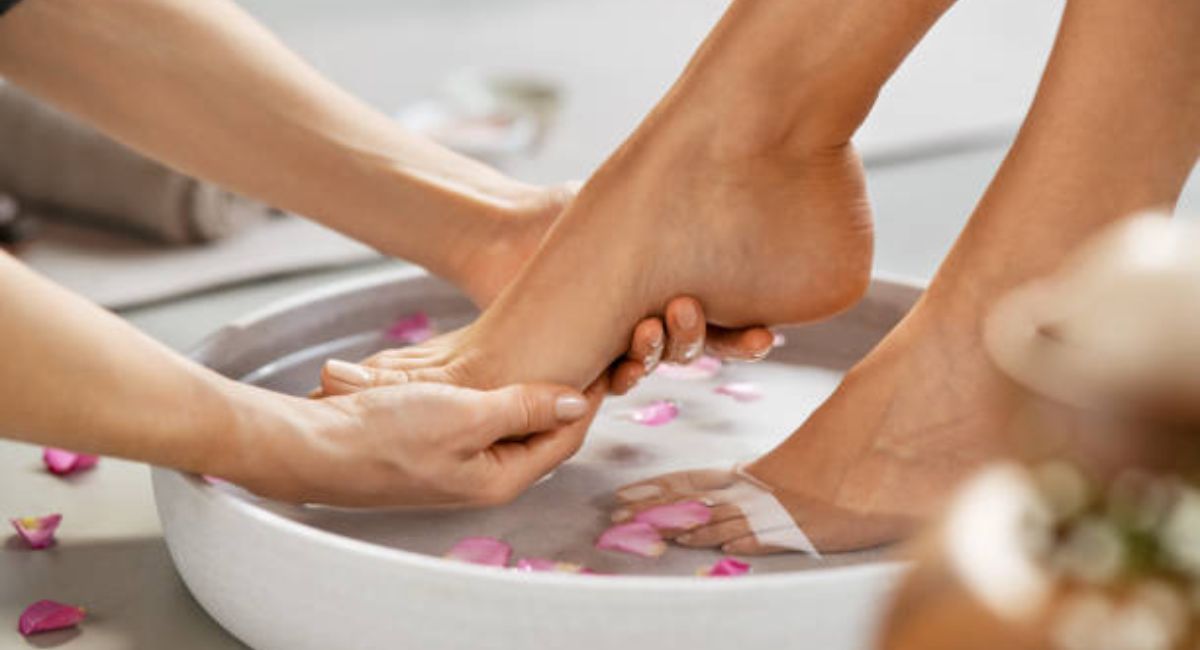
No matter if your feet are aching or not, a relaxing foot soak for 15 to 20 minutes will do wonders for them. Soak your feet in clean lukewarm water or add epsom salt. These salts are highly effective at exfoliating the feet. During the soak, it’s recommended that you rub your feet together at regular intervals to get the most out of the epsom salt exfoliator Aromatherapy oils are optional, however you are welcome to add them to the water in the tub. Soaking your feet will soften the thick, rigid layers of skin on your heels, toes, and balls of your feet and loosen dry scales.
Use of very hot water is not advised. As the water evaporates and draws moisture from the outermost protective layer of the skin, it can lead to dryness and cracking of the skin. At the end of the bath, gently cleanse your toes with a toenail brush.

When you soak your feet in warm water, the hard layer of skin is softened, allowing for easier removal of dead skin on the feet and heels. Exfoliation is one of the most important steps in foot care, as it helps to break down dead skin cells and remove rough patches, resulting in smoother and softer skin. Use a pumice rock, foot scrub or foot file to exfoliate your feet. Don’t exert too much pressure while scrubbing. Scrub your feet for about two minutes before rinsing off. Exfoliating once or twice a week will help you in feeling and looking healthy.
Moisturize:
After scrubbing your feet, let them dry with clean towel. It is important to moisturize them to prevent dryness and cracking. Insufficient moisture levels can result in various problems, such as scaly, dry, or chapped feet, particularly in the heel area. Utilizing natural butters such as shea or cocoa butter is an effective method for maintaining soft and moisturized feet. Use a gentle foot cream that is free from harsh chemicals for soft feet. This will hydrate your feet and sooth the skin from hot water soaks and scrubbing. To prevent dry skin and its associated issues, it is important to moisturize your skin on a daily basis.
Foot mask:
Your feet get a lot of wear and tear from day to night, and sometimes they just can’t handle it. Foot Mask are designated to provide you with a break from being on your feet all day long. It helps to soften dry, hard and cracked skin on your soles and heels. It also improves skin texture and tone of the on your feet. Apply foot mask for about 10-15 minutes. After taking off the socks of your feet mask, apply the excess product to your feet. You don’t need to wash your feet after using the foot masks.
Additional Tips
In addition to these steps, it’s also a good idea to follow some extra tips in your daily foot care to keep your feet safe.
Check your feet:
Before you start, take a good look at your feet and see if there are any cuts, bruising, redness, corns, callus or swelling. If there are, treat them immediately. If you observe any issues, it is recommended that you seek the advice of a medical professional or a physical therapist. It is important to never overlook an issue with your feet.
Dry them properly:
Keep your feet clean and dry as much as possible. Fungal infections such as Athlete’s Foot, which thrive in moist conditions, can lead to burning, itching and skin peeling, resulting in blisters. Therefore, it is important to ensure that your feet are thoroughly dried after washing. Cleaning and drying thoroughly between your toes can help prevent bacteria and fungi from growing, which can cause unpleasant smells and infections.
Trim your nails:
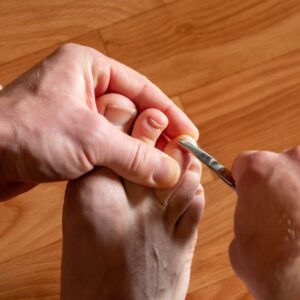
There is a “correct” way to trim your nails. It’s always a good idea to cut your nails straight across and file the edges carefully. If you cut your nails too short, it can cause pain, soreness or an ingrown nail. After trimming, carefully file your nails with a fine grit nail file to remove any rough edges. Be sure to file them in one direction to prevent damage and splitting.
Apply cuticle oil:
Apply oil to the cuticles of the toe. The hydration of the cuticles keeps them strong and prevents snags, breakage, and nail hangings. Coconut oil is effective because it is antibacterial and anti-microbial. You should also use olive oil.
Don’t cut cuticles:
It is advised to avoid cutting the cuticles as this can result in infections. In order to prevent cutaneous infections, it is recommended to gently push back the cuticles of the feet with a cuticle pusher or an Orangewood stick.
Use foot-friendly socks:
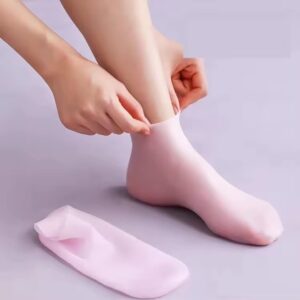
Keep your feet dry by wearing socks that are breathable and keep moisture out. Cotton or bamboo socks are great for keeping your feet dry, but don’t forget to change your socks every day. Wash your socks every day to keep them clean and prevent bacteria and fungi from growing.
Wear right shoes:
If your shoes don’t fit correctly, they can cause blisters, which can lead to infections or other issues. Choose shoes that don’t irritate your foot while walking. Wear shoes that support your feet properly. Avoid wearing high heels and tight shoes for long periods of time. Avoid wearing shoes that cause foot pain or deformities. Don’t wear flip flops or flats as they don’t provide adequate arch support. Don’t wear the same pair of shoes every day.
Pedicure:
All of the tips mentioned above are part of a great pedicure. If you want to keep your feet looking and feeling great, you should get a professional pedicure every now and then. Make sure you go to a good salon that follows good hygiene to avoid getting infection.
Bottom lines:
It is important to remember that these steps should be done on a regular basis so that they have a real effect on your overall health and wellbeing. You could have pretty feet, if you invest in the right products and give time to yourself. If you don’t take care of your feet, you could end up with blisters, cracks, pain, fungus, etc. by following a comprehensive guide to foot care you can achieve and maintain beautiful and healthy feet.
FAQs on foot care routine
What’s a good foot care routine?
A good foot care routine includes washing your feet daily, drying them properly, and applying moisturizer to prevent dryness. Trim your nails regularly and wear comfortable shoes to keep your feet healthy and pain-free.
What are the 5 principles of foot care?
The five principles include cleanliness, proper nail care, moisturizing, wearing the right footwear, and regular inspection. These steps help prevent infections, cracks, and other foot problems.
What are 7 common foot problems?
Common foot problems include athlete’s foot, corns, calluses, cracked heels, bunions, ingrown toenails, and foot odor. These issues can be managed with proper care and hygiene.
What is best for foot care?
The best foot care includes daily cleaning, proper drying, and regular moisturizing to keep skin soft. Wearing comfortable shoes and trimming nails properly also helps prevent common foot problems.
Is coconut oil good for feet?
Yes, coconut oil is very good for feet as it deeply moisturizes dry and cracked skin. It also has antibacterial properties that help keep your feet clean and healthy.

Welcome to Glow Secrets Hub! I’m Meena, the creative mind behind a growing online platform dedicated to skincare, beauty tips, and natural wellness. With a keen interest in beauty and wellness, I continues to inspire readers to embrace their natural glow and adopt healthy skincare habits in their daily lives.
Also, an AI-Powered SEO and content writer. I help website rank higher, grow traffic and look amazing. My goal is tomake SEO and web design simple and effective for anyone. Lets acheive more together!