Understanding the term Exfoliation:
Our skin naturally shed dead skin cells every 30 days or so. Sometime, the dead cells do not shed completely. It can result in dry skin, clogged pores and flaky patches. If you have these problems and looking for smoother, brighter skin? Exfoliation is the answer!
What is Exfoliation?
Exfoliation is basically the act of removing dead skin cells from the surface of skin. By using the chemical, granular substance or exfoliation tool. It buffs away the dead cells leaving it more radiant and smoother.With the right routine, you can reveal fresher, smoother, and more radiant skin underneath. Many people include exfoliation in their skin care routine to improve texture and boost natural glow.
When done correctly, it supports a healthy skin process and enhances overall skin clarity. This guide will help you understand exfoliation in a simple and practical way for better results.
Why Exfoliation matters?
Exfoliation is important for keeping your skin healthy.
- First of all, it removes the dead skin cells and stimulates the blood flow.
- At the same time, it also sweeps away the dirt and bacteria from the skin.
- It helps to unclog the pores and prevent breakouts resulting in brighter skin.
- It reduces the formation of fine lines and wrinkles as it promotes cell turnover.
- Improves the absorption of moisturizers and serums for hydrated skin. As it opens the way for products to penetrate more deeply, making them more effective.
What to use to exfoliate:
Types of Exfoliations:
Exfoliation comes in various foams, each offering unique benefits for your skin. Chose the method of exfoliation, depending on your skin need.
- Physical Exfoliation:
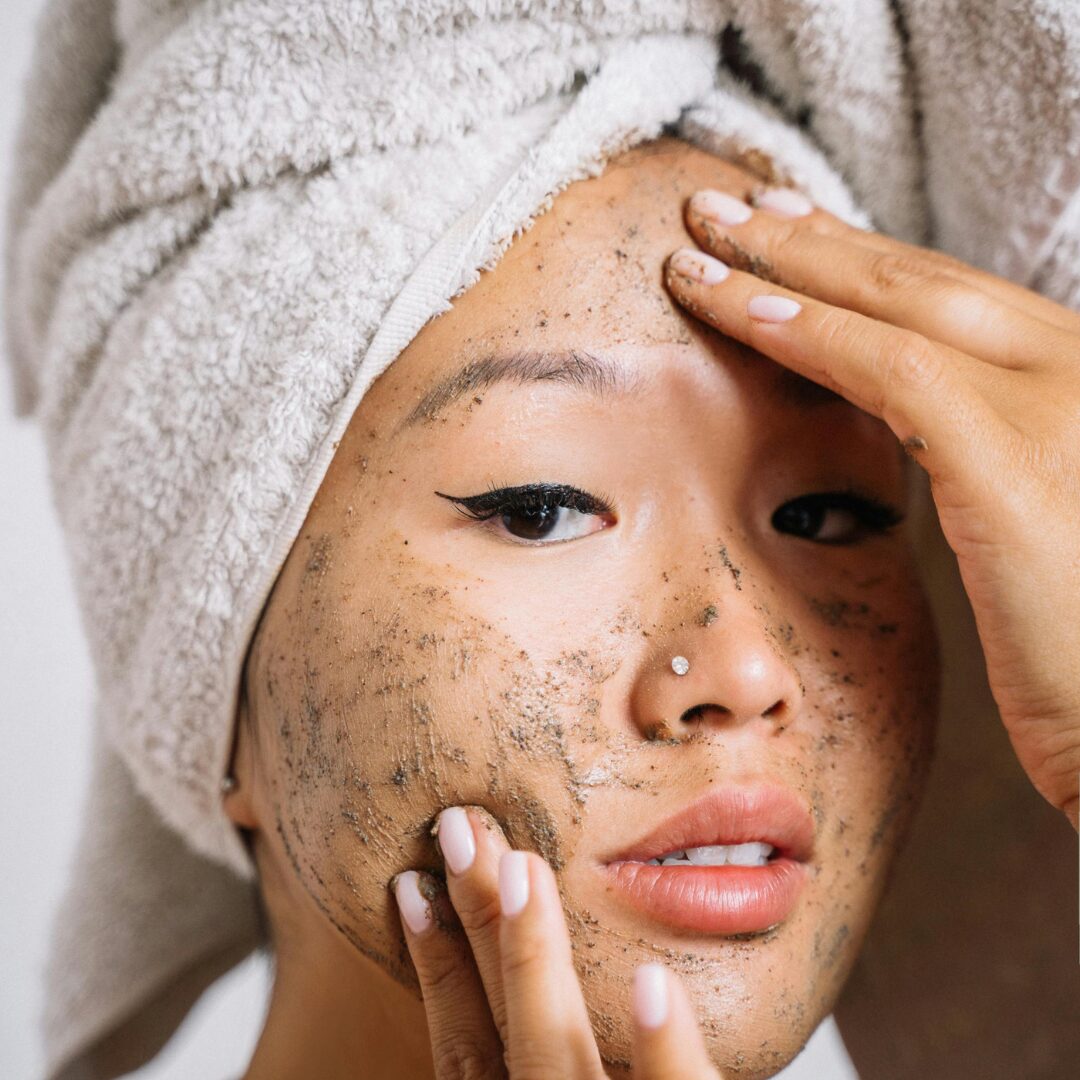
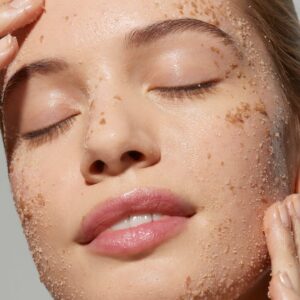
As the name shows, it means physically buffing dead skin cells away from the skin. Physical exfoliation involves the use of granular substances or tools to manually scrub the dead skin cells off the skin. This process can be achieved by utilizing exfoliating scrubs, brushes, sponges to slough off the dead cells, revealing smoother and brighter skin.
Physical exfoliation works effectively by gently scrubbing the skin. It is essential to apply gentle pressure and avoid-over exfoliation to prevent damage and irritation to the skin. It is important to avoid harsh, abrasive exfoliants as they may cause microtears in the skin which damage the skin barrier.
Types of physical exfoliators:
- Exfoliating Scrubs:
Scrubs contain small particles that works to scrub away the dead skin cells. It includes natural and synthetic exfoliants. The natural ingredients like finely grounded sugar, nut shells and coffee beans are used as natural exfoliants. Synthetic exfoliants are artificial or manmade substances like, polythene beads, microbeads.
- Exfoliating Tools:
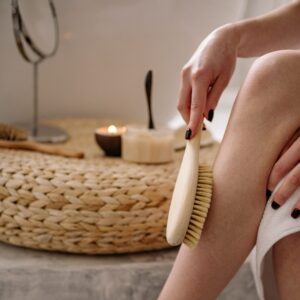
Exfoliating tools are designed to help remove the dead cells from the skin surface. There are many tools that are used for exfoliation such as brushes, sponges and gloves.
- Chemical Exfoliation:
The word ‘chemical’ sounds harsh but it is the gentlest way of exfoliation. Chemical exfoliation involves the use of acid-based products that loosen the dead cells from the skin surface. Chemical exfoliators are natural substances that dissolves the protein bond (that binds the skin cells together) between the dead skin cells allowing them to detach from the skin. It helps in easy removal of dead cells, reveling the fresher, healthier and smoother skin.
Types of chemical exfoliators:
- Alpha-Hydroxy Acids (AHAs):
AHAs like: lactic acid, glycolic acid, malic acid, citric and tartaric acid are derived from mainly natural substances. They are water-soluble acids and worked by breaking the bond between the dead cells resulting in even tone and smoother skin texture. Alpha-Hydroxy acids are best for dry skin. AHAs are effective in addressing the skin concerns; such as wrinkles, fine lines, hyper-pigmentation and melasma.
- Beta-Hydroxy Acids (BHAs):
BHAs like: salicylic or hydroxyl acids can penetrate deeply into the skin as they are oil soluble acids. It unclogs the pores and remove the excess sebum and impurities from the skin. Making BHAs effective for oily and acne-prone skin.
- Poly-Hydroxy Acids (PHAs):
PHAs like: gluconolactone and lactobionic acid are physically and functionally similar to AHAs. PHAs are larger molecules with a gentle exfoliating action. They are suitable for sensitive skin. In addition, they have hydrating and anti-oxidant properties which helps to improves skin appearance and texture.
- Enzymatic Exfoliation:
Enzymatic exfoliation uses enzymes (a kind of protein) that comes from natural sources. It works like chemical exfoliation but in this enzyme are used to break down the keratin in the dead skin cells. Enzymatic exfoliation is best for sensitive skin for its mild exfoliating property.
Enzymatic exfoliants are mainly derived from fruits like; papain from papaya, bromalin from pineapple and ficin from the fig tree.
How to Exfoliate Your Skin by Skin Type
Exfoliation is an important step that removes dead skin cells, unclogs pores, and improves skin texture. However, not every skin type reacts the same way, so choosing the right method is essential. Over-exfoliating can damage your skin barrier, while gentle and balanced exfoliation helps maintain a healthy glow.
Dry Skin
Dry skin needs extra care during exfoliation because it lacks natural moisture. Use a mild, hydrating exfoliator once a week to avoid irritation. Look for ingredients like lactic acid or gentle scrubs that do not strip moisture. Always apply a rich moisturizer after exfoliating to keep your skin soft and nourished.
Sensitive Skin
Sensitive skin reacts quickly to strong products, so always choose very gentle, fragrance-free exfoliants. Limit exfoliation to once a week and avoid physical scrubs with rough particles. Chemical exfoliants like low-strength AHAs are usually safer. Always do a patch test and follow up with soothing products to calm the skin.
Oily Skin
Oily skin can handle exfoliation more frequently, usually 2–3 times a week. It helps control excess oil and prevents clogged pores that lead to acne. Use exfoliants with salicylic acid, which penetrates deep into pores and removes buildup. However, avoid over-exfoliating as it can trigger more oil production.
Normal Skin
Normal skin is well-balanced and can tolerate most exfoliation methods. You can exfoliate 1–2 times a week using either a gentle scrub or a chemical exfoliant. This helps maintain smooth texture, remove dullness, and keep your skin looking fresh without causing irritation.
Combination Skin
Combination skin requires a targeted approach. The oily areas, like the T-zone, may need more frequent exfoliation, while dry areas need a gentler touch. You can use different products for different areas or choose a balanced exfoliator that works for both. This helps maintain overall skin harmony without over-drying or irritating certain parts.
Exfoliating Body Part
Exfoliation needs to be adjusted based on the body area because skin thickness and sensitivity vary. Using the right method for each part helps avoid irritation and improves results. Gentle care for delicate areas and stronger exfoliation for rough skin ensures a balanced and effective routine.
Face
The face has delicate skin, so use gentle exfoliants like mild scrubs or chemical exfoliators. Exfoliate 1–2 times a week to remove dead skin and improve glow. Avoid harsh products, and always follow with moisturizer and sunscreen to protect your skin barrier.
Arms and Legs
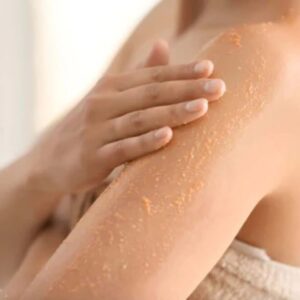
The skin on arms and legs is thicker and can handle stronger exfoliation. You can use body scrubs, brushes, or exfoliating gloves 2–3 times a week. This helps remove rough patches, prevent ingrown hairs, and keep your skin smooth and soft.
Feet and Hands
Feet and hands often develop thick, dry skin, especially on heels and palms. Use a pumice stone, foot scrub, or rich exfoliating cream regularly. Follow with a heavy moisturizer to repair dryness and maintain softness.
Pubic Area
The pubic area is sensitive, so exfoliate very gently to avoid irritation. Use mild, fragrance-free exfoliants once a week to prevent ingrown hairs. Avoid harsh scrubs, and keep the area clean and well-moisturized for comfort and safety.
How Often Should You Exfoliate
Exfoliation frequency depends on your skin type and the products you use. In general, most people should exfoliate 1–3 times a week to remove dead skin cells and maintain a smooth texture. Over-exfoliating can damage your skin barrier, causing redness, dryness, and irritation, so balance is important.
For dry or sensitive skin, once a week is usually enough to avoid irritation. Oily or acne-prone skin can handle exfoliation 2–3 times a week to control excess oil and prevent clogged pores. Always pay attention to how your skin reacts and adjust your routine accordingly for the best results.
Signs You Should Stop Exfoliating Your Skin
Exfoliation is helpful, but there are times when you should pause to protect your skin. If you notice redness, burning, excessive dryness, or irritation, it’s a sign your skin barrier is damaged. Continuing to exfoliate in this condition can make things worse and slow down healing.
You should also stop exfoliating if your skin feels sensitive after treatments like waxing, shaving, or chemical procedures. Give your skin time to recover and focus on hydration and soothing products. Once your skin feels normal again, you can slowly restart exfoliation with a gentler approach.
Conclusion
Exfoliation is a powerful step in any skincare routine when done correctly and in moderation. Understanding your skin type, choosing the right method, and knowing how often to exfoliate can make a big difference in your results. It helps remove dead skin, improve texture, and boost your natural glow.
However, balance is key. Over-exfoliating can damage your skin, so always listen to how your skin responds. With the right approach, gentle care, and consistency, you can maintain smooth, healthy, and radiant skin over time.
FAQs
How do you exfoliate your skin?
You can exfoliate by using a gentle scrub or a chemical exfoliant to remove dead skin cells. Always follow with moisturizer to keep your skin soft and protected.
What does exfoliation mean?
Exfoliation means removing dead skin cells from the surface of your skin. It helps improve texture, brightness, and overall skin health.
Can I exfoliate my stretch marks away?
Exfoliating is a helpful step for reducing and preventing stretch marks. It removes dead skin cells and encourages new cell growth. This process improves skin texture and gradually makes stretch marks less visible over time.
Is exfoliation good for skin?
Yes, exfoliation helps unclog pores, smooth skin, and improve glow. But over-exfoliating can damage your skin, so balance is important.
How do I naturally exfoliate my skin?
You can use natural ingredients like sugar, coffee, or oatmeal as gentle scrubs. These help remove dead skin and leave your skin soft and refreshed.

Welcome to Glow Secrets Hub! I’m Meena, the creative mind behind a growing online platform dedicated to skincare, beauty tips, and natural wellness. With a keen interest in beauty and wellness, I continues to inspire readers to embrace their natural glow and adopt healthy skincare habits in their daily lives.
Also, an AI-Powered SEO and content writer. I help website rank higher, grow traffic and look amazing. My goal is tomake SEO and web design simple and effective for anyone. Lets acheive more together!