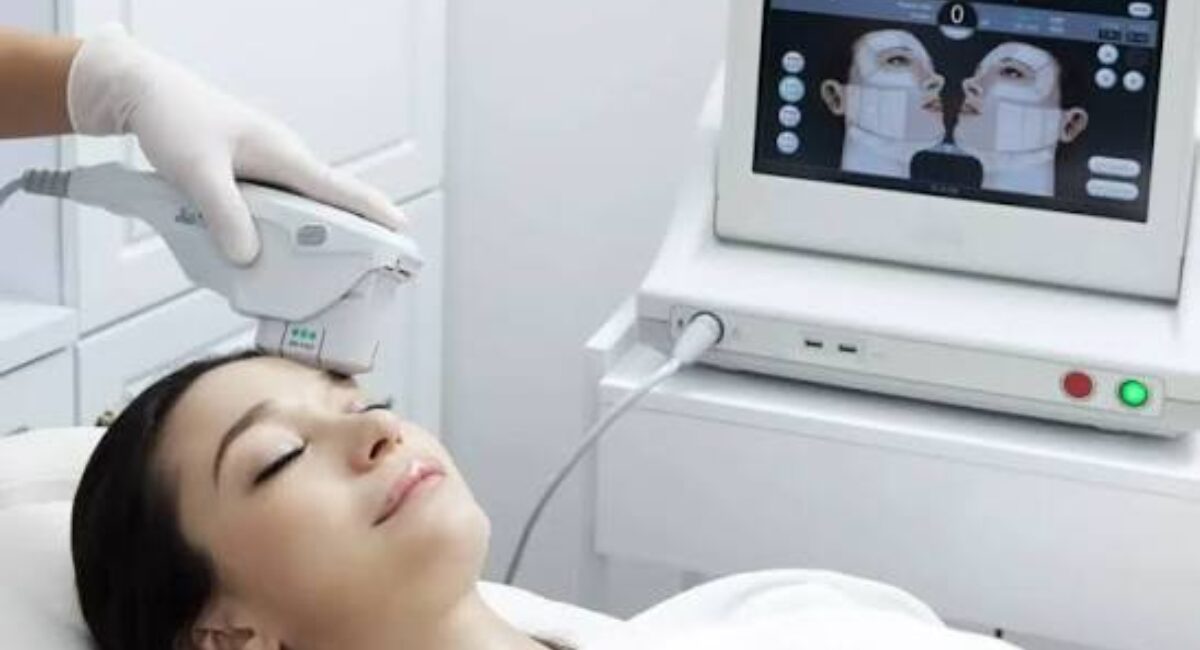
Introduction
If you’ve started noticing sagging skin, fine lines, or a loss of facial firmness, you’re not alone. As we age, our body’s natural collagen production slows, causing the skin to lose elasticity and structural support. This gradual collagen loss contributes to wrinkles, skin laxity, and less-defined facial contours. Fortunately, advances in aesthetic medicine have made it possible to achieve firmer, younger-looking skin without surgery.
One of the most effective non-invasive skin tightening treatments available today is Ultherapy. This FDA-cleared skin care treatment uses micro-focused ultrasound (MFU) technology to stimulate collagen production deep within the skin. Unlike procedures that only treat the surface, Ultherapy reaches the foundational SMAS layer—the same layer targeted during a surgical facelift—to create a gradual lifting effect without incisions or downtime.
Whether you’re considering a non-surgical facelift, researching ultrasound skin tightening, or wondering “Does Ultherapy really work?”, this guide answers all your questions. You’ll learn how Ultherapy works, its benefits, who is a good candidate, expected results, recovery time, potential side effects, and how it compares to other anti-aging treatments.
What Is Ultherapy?
Ultherapy is an advanced non-invasive cosmetic procedure that lifts and tightens the skin using focused ultrasound therapy. Rather than relying on surgery, injections, or lasers, it stimulates your body’s own natural collagen production to restore firmness and improve skin elasticity.
The treatment is FDA-cleared to lift the skin on the neck, under the chin, and the brow while improving lines and wrinkles on the chest (décolletage). Because it works below the skin’s surface without harming the outer layer, Ultherapy is considered one of the safest and most effective skin tightening technologies available today.
Unlike Botox, which relaxes facial muscles, or dermal fillers, which restore lost volume, It addresses one of the root causes of aging—collagen loss. This makes it an excellent choice for individuals seeking natural-looking improvements instead of dramatic changes.
Ultherapy vs. Other Skin Tightening Treatments
Many people compare Ultherapy vs. laser treatment, Ultherapy vs. radiofrequency, or Ultherapy vs. facelift when choosing an anti-aging procedure.
- Ultherapy uses focused ultrasound to tighten deeper tissues and stimulate collagen.
- Laser treatments improve pigmentation, sun damage, and skin texture by targeting the skin’s surface.
- Radiofrequency treatments heat the dermis to encourage collagen production but generally do not reach the deeper SMAS layer.
- A surgical facelift removes excess skin and repositions facial tissues, offering more dramatic results but with longer recovery.
If your goal is to tighten loose skin without surgery, improve skin laxity, and achieve facial rejuvenation with minimal downtime, Ultherapy is often an ideal solution.
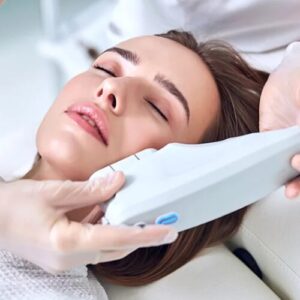
Key Features of Ultherapy
- Non-surgical facelift alternative
- Ultrasound facial treatment
- No incisions or stitches
- Stimulates collagen and elastin
- Improves skin firmness and elasticity
- Suitable for most skin types
- Minimal recovery time
- Long-lasting, natural-looking results
How Does Ultherapy Work?
One of the most common questions people ask is, “How does Ultherapy work?”
Ultherapy uses micro-focused ultrasound (MFU) energy to heat specific layers beneath the skin without damaging the surface. These tiny thermal points activate the body’s natural healing response, encouraging fibroblast activation and collagen remodeling.
Collagen acts as the skin’s support framework. Beginning in our mid-20s, collagen production naturally declines, leading to wrinkles, loose skin, and reduced elasticity. It reverses part of this process by encouraging the body to produce fresh collagen, making it one of the most effective collagen-boosting treatments available.
Treatment Depths
Ultherapy delivers ultrasound energy at multiple depths:
1.5 mm
Targets the upper dermis to improve skin texture, fine lines, and firmness.
3.0 mm
Stimulates deeper collagen production for enhanced elasticity and skin rejuvenation.
4.5 mm
Reaches the SMAS layer, creating lifting and tightening effects similar to those achieved during a surgical facelift—without surgery.
Real-Time Ultrasound Imaging
A unique advantage of Ultherapy is its use of real-time ultrasound imaging. Providers can visualize the tissue beneath the skin before delivering energy, ensuring greater precision and safety. This personalized approach helps maximize collagen stimulation while avoiding unnecessary treatment of surrounding structures.
How Long Does Ultherapy Take?
Depending on the treatment area, an Ultherapy procedure usually lasts between 30 and 90 minutes. Smaller areas such as the brow require less time, while a full face and neck treatment takes longer.
When Will You See Results?
Many people ask, “How long does Ultherapy last?” and “When will I see Ultherapy results?”
Although a slight tightening effect may appear immediately, the most noticeable improvements develop gradually as collagen rebuilds.
Typical timeline:
- Immediately after treatment: Mild skin tightening.
- 4–8 weeks: Early collagen production begins.
- 2–3 months: Visible lifting and improved skin firmness.
- 3–6 months: Maximum collagen remodeling and facial rejuvenation.
Because the changes occur naturally, the results appear subtle and refreshed rather than artificial.
Benefits of Ultherapy
It offers numerous benefits for individuals looking for a skin firming procedure without the risks of surgery.
A True Non-Surgical Facelift Alternative
If you’re searching for the best non-surgical facelift, Ultherapy provides visible lifting without scalpels, stitches, or lengthy recovery.
Stimulates Natural Collagen Production
The treatment activates your body’s own healing process, encouraging natural collagen production that continues for months after treatment.
Long-Lasting Skin Tightening
One of the biggest Ultherapy benefits is its longevity. Results typically last 12 to 18 months, depending on age, lifestyle, and skincare habits.
Minimal Downtime
Most people return to work and daily activities immediately, making it a convenient non-invasive cosmetic procedure.
Improves Skin Texture and Tone
Along with lifting, Ultherapy promotes smoother, healthier-looking skin and improved elasticity.
Treats Multiple Areas
Ultherapy is effective for the face, neck, brow, jawline, chin, and chest, making it a versatile facial rejuvenation treatment.
Safe for Most Skin Types
Because ultrasound bypasses the skin’s surface, the treatment is suitable for a wide range of skin tones with minimal risk of pigmentation changes.
Natural Facial Rejuvenation
Rather than creating an overfilled appearance, It gradually restores youthful contours through skin collagen remodeling.
Boosts Confidence
Looking refreshed often improves self-esteem and helps people feel more confident in both personal and professional settings.
Skin Concerns Treated by Ultherapy
One of the reasons Ultherapy has become a leading anti-aging treatment is its ability to address multiple signs of aging with a single non-invasive skin tightening procedure. By boosting natural collagen production, it improves the skin’s structure from within rather than simply treating surface imperfections.
It is most effective for individuals with mild to moderate skin laxity who want gradual, natural-looking improvements. It works best before severe sagging develops, making it an excellent preventive treatment for maintaining youthful skin.
Loose and Sagging Skin
As collagen and elastin decrease with age, the skin begins to lose firmness. It helps tighten loose skin without surgery by stimulating collagen remodeling in the deeper tissue layers.
Fine Lines and Wrinkles
Although Ultherapy is primarily known for lifting the skin, increased collagen production also softens fine lines, reduces wrinkles, and improves overall skin texture.
Loss of Jawline Definition
One of the most common treatment goals is improving the jawline. Ultherapy for jawline contouring helps reduce early jowls and restore a sharper facial profile.
Drooping Eyebrows
The treatment can lift the brow area, making the eyes appear more open and refreshed without surgery.
Loose Neck Skin
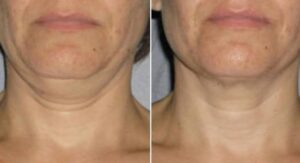
Many patients choose Ultherapy for neck tightening because it effectively improves loose or crepey skin around the neck and under the chin.
Double Chin
While Ultherapy is not a fat-reduction procedure, tightening loose skin beneath the chin can improve the appearance of a mild double chin and enhance facial contours.
Chest Wrinkles
Ultherapy is FDA-cleared to improve wrinkles on the décolletage, making it an excellent option for rejuvenating sun-damaged chest skin.
Reduced Skin Elasticity
By rebuilding collagen, Ultherapy restores elasticity and creates firmer, healthier-looking skin over time.
Treatment Areas
One of the greatest advantages of Ultherapy treatment is its versatility. It can safely treat multiple areas where skin laxity commonly develops.
Face
Ultherapy improves skin firmness throughout the cheeks, lower face, and mid-face, creating a more youthful appearance.
Brow
A non-surgical brow lift can reduce hooding around the eyes and make the face appear brighter and more refreshed.
Jawline
Ultherapy helps define the jawline by tightening loose skin and reducing the appearance of jowls.
Chin
The treatment firms skin beneath the chin, improving facial balance and contour.
Neck
One of the most requested applications is neck lift without surgery. It strengthens loose neck skin while enhancing definition between the jaw and neck.
Chest (Décolletage)
Sun exposure often causes wrinkles and thinning skin on the chest. It stimulates collagen to smooth lines and improve skin quality.
Who Is an Ideal Candidate for Ultherapy?
A common question is, “Who is a good candidate for Ultherapy?”
Ultherapy is ideal for adults experiencing early to moderate signs of aging who want a non-surgical facelift alternative.
You May Be a Good Candidate If You:
- Have mild to moderate skin laxity
- Notice loose skin around your face or neck
- Want facial rejuvenation without surgery
- Prefer natural-looking improvements
- Have realistic expectations
- Are in good overall health
- Want to prevent further collagen loss
Most patients are between 30 and 65 years old, although age alone does not determine eligibility. Skin quality and collagen levels are more important factors.
Who May Not Be a Suitable Candidate?
Ultherapy may not be appropriate if you:
- Have severe skin sagging that requires surgery
- Have active skin infections or open wounds
- Are pregnant (unless advised otherwise by your physician)
- Have certain implanted medical devices near the treatment area
- Have unrealistic cosmetic expectations
A consultation with a qualified provider is essential to determine whether Ultherapy is the right treatment for your skin concerns.
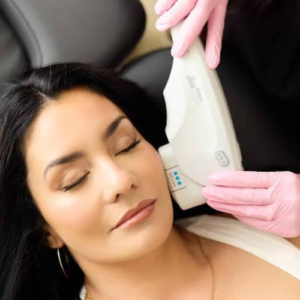
The Ultherapy Procedure
Many patients ask, “What happens during an Ultherapy treatment?”
The procedure is relatively straightforward and usually takes 30 to 90 minutes, depending on the size of the treatment area.
Step 1: Cleansing the Skin
The provider cleanses the treatment area and may take photographs for comparison after treatment.
Step 2: Ultrasound Imaging
Ultrasound gel is applied, and the handpiece allows the provider to visualize tissue layers beneath the skin. This real-time imaging ensures precise placement of ultrasound energy.
Step 3: Delivery of Ultrasound Energy
Focused ultrasound energy is delivered to multiple tissue depths, including the SMAS layer, stimulating collagen production and skin collagen remodeling.
During treatment, you may feel:
- Warmth
- Tingling
- Brief discomfort
- Small pulses of heat
These sensations indicate that collagen-building activity is occurring beneath the skin.
Step 4: Completion
After the treatment, the gel is removed, and you can usually resume normal daily activities immediately.
No stitches, bandages, or dressings are required.
Is Ultherapy Painful?
A frequently asked question is, “Does Ultherapy hurt?”
Pain tolerance varies from person to person. Most patients describe the sensation as brief warmth or tiny pulses beneath the skin.
The discomfort is temporary and generally well tolerated. For sensitive individuals, providers may recommend oral pain medication or other comfort measures before the procedure.
Aftercare Tips
Following proper aftercare can help support your skin’s natural healing process.
- Apply broad-spectrum sunscreen daily.
- Keep your skin hydrated with a quality moisturizer.
- Drink plenty of water.
- Avoid excessive heat, such as saunas or hot tubs, for the first 24 hours.
- Follow any personalized instructions provided by your practitioner.
- Continue using a gentle anti-aging skincare routine.
Can You Wear Makeup?
Yes. Most people can apply makeup immediately after treatment if their skin feels comfortable.
When Can You Exercise?
Light daily activities are generally fine. However, some providers recommend waiting 24 hours before engaging in strenuous exercise, depending on the treatment area.
Supporting Long-Term Results
To maximize your Ultherapy results, consider adopting healthy lifestyle habits, including:
- Daily sun protection
- A balanced diet rich in antioxidants
- Avoiding smoking
- Maintaining a consistent skincare routine
- Scheduling maintenance treatments when recommended
These habits support healthy collagen production and help prolong the skin-tightening benefits of Ultherapy.
Ultherapy Before & After
One of the most searched topics is “Ultherapy before and after results”, as people want to understand what kind of transformation to expect from this non-surgical facelift procedure.
It delivers gradual, natural-looking improvements rather than dramatic overnight changes. Because the treatment works by stimulating collagen production, results develop slowly as the skin rebuilds its internal structure.
What You Can Expect
- Before treatment: Visible signs of aging such as mild sagging, fine lines, or reduced skin firmness.
- After treatment: Gradual lifting, improved facial contours, and tighter skin over time.
Most patients notice:
- A more defined jawline
- Lifted eyebrows
- Firmer neck skin
- Smoother chest wrinkles
- Improved overall facial rejuvenation
Because changes occur naturally, Ultherapy results are often described as a “refreshed” or “well-rested” appearance rather than an obvious cosmetic procedure.
Results and How Long They Last
A common question is, “How long does Ultherapy last?”
Ultherapy results are long-lasting because the treatment rebuilds the skin’s collagen network rather than temporarily masking aging signs.
Timeline of Results
- Immediately after treatment: Slight tightening due to initial tissue response.
- 1–2 months: Early skin collagen remodeling begins.
- 2–3 months: Visible lifting and improved firmness.
- 3–6 months: Full results become apparent as collagen production peaks.
Duration of Results
Most patients enjoy results for 12 to 18 months, depending on:
- Age and natural collagen levels
- Skin quality
- Sun exposure habits
- Lifestyle factors such as smoking or diet
- Skincare routine
To maintain results, many people choose maintenance sessions every 12–18 months as part of their long-term anti-aging treatment plan.
Risks and Side Effects
Ultherapy is considered a safe FDA-cleared skin tightening technology when performed by trained professionals. However, like any cosmetic procedure, it may involve temporary side effects.
Common Side Effects
- Redness
- Swelling
- Mild tenderness
- Tingling sensation
- Temporary bruising
- Skin sensitivity
These effects typically resolve within a few hours to a few days.
Less Common Effects
In rare cases, patients may experience:
- Temporary numbness
- Mild nerve sensitivity
- Prolonged tenderness in treated areas
These effects are usually temporary and resolve naturally as the skin heals.
Safety Profile
Ultherapy has been extensively studied in clinical settings and is widely regarded as one of the safest non-invasive skin tightening procedures available. Choosing an experienced provider significantly reduces the risk of complications and improves treatment outcomes.
Final Thoughts
Ultherapy is a popular non-invasive skin tightening treatment that uses focused ultrasound therapy to boost collagen production and naturally lift and firm the skin. It offers gradual, natural-looking facial rejuvenation without surgery or downtime.
While it cannot replace a surgical facelift for severe skin sagging, it is an excellent option for treating early signs of aging and maintaining youthful skin. With long-lasting results, minimal recovery time, and a strong safety profile, it remains a trusted choice for non-surgical facial rejuvenation. Consult a qualified provider to determine if Ultherapy is right for your skin goals and achieve the best possible results.

Welcome to Glow Secrets Hub! I’m Meena, the creative mind behind a growing online platform dedicated to skincare, beauty tips, and natural wellness. With a keen interest in beauty and wellness, I continues to inspire readers to embrace their natural glow and adopt healthy skincare habits in their daily lives.
Also, an AI-Powered SEO and content writer. I help website rank higher, grow traffic and look amazing. My goal is tomake SEO and web design simple and effective for anyone. Lets acheive more together!