
Comprehensive Skin Care Treatments for Healthy, Youthful Skin
Modern skincare has evolved far beyond basic cleansing and moisturizing. Today, people want targeted skin care treatments that improve texture, restore glow, and slow visible aging. Healthy, radiant skin rarely happens by chance. Modern skin care treatments combine science, dermatology, and personalized routines to improve texture, reduce aging signs, and restore natural glow.
From hydrating facials to advanced laser resurfacing, today’s treatments target concerns like acne scars, pigmentation, fine lines, sun damage, and uneven skin tone more effectively than ever before. Many people now choose professional skin rejuvenation treatments alongside daily skincare routine because they deliver deeper and longer lasting results. However, no single procedure works for everyone. Your skin type, lifestyle, age, and overall skin condition all influence which treatment performs best.
Understanding how modern solutions work can help you build a smarter and more effective skincare strategy. With the right approach, anti-aging skincare therapies can support healthier, smoother, and visibly younger looking skin over time.
Comprehensive Skin Care Treatments
Healthy skin reflects overall wellness. Your skincare routine, eating habits, stress levels, and sleep patterns all work together like gears in a machine. When one part fails, the entire system feels the impact. That is why modern skin care treatments focus on total skin wellness instead of quick cosmetic fixes.
Why Modern Skin care Treatments Focus on Long-Term Skin Health
Dermatologists now prioritize prevention over correction. Instead of waiting for wrinkles or pigmentation to worsen, many people begin preventive anti-aging skincare therapies early. This approach protects collagen, strengthens the skin barrier, and improves long term resilience.
The Connection Between Daily Habits and Healthy Skin
Your skin behaves like a mirror. Poor sleep, processed food, dehydration, and stress can quickly trigger inflammation. However, balanced nutrition and hydration support collagen production naturally. Even premium skin rejuvenation treatments cannot fully compensate for unhealthy daily habits.
Understanding Skin Health and Skin Types
Every person has unique skin behavior. Some people battle constant oiliness while others experience flaking or irritation. Understanding your skin type creates the foundation for effective skincare treatments because products react differently depending on your natural oil production and sensitivity levels.
The Five Main Skin Types Explained
Dermatologists classify skin into oily, dry, combination, normal, and sensitive categories. Oily skin often develops clogged pores while dry skin struggles to maintain moisture. Combination skin creates a tricky balance because some areas feel oily and others feel tight or flaky.
Using the wrong products can damage the skin barrier quickly. When you understand your skin type, you choose ingredients that actually support your needs. This creates a smarter and safer comprehensive skin care treatment plan.
Common Skin Conditions That Affect Treatment Choices
Conditions such as rosacea, hyperpigmentation, melasma, and acne can influence treatment results. For example, aggressive exfoliation may worsen sensitive skin. Meanwhile, acne-prone skin often benefits from chemical peel for skin renewal and oil-control ingredients.
Building an Effective Daily Skin Care Routine
A strong skin care routine works like a daily investment account. Small efforts build major rewards over time. Consistency matters far more than expensive packaging or viral trends.
Morning care should protect your skin from pollution, UV rays, and dehydration. Cleansing removes overnight oil while antioxidants defend against environmental damage. Moisturizer and SPF complete the shield. Without sunscreen, many skincare treatments lose effectiveness quickly.
Night routines support cellular renewal because skin repairs itself while you sleep. Retinoids, peptides, and hydrating serums work best during nighttime hours. This process strengthens elasticity and improves texture gradually.
What Are Skin Treatments? An Overview
Skin treatments include cosmetic, medical, and dermatological procedures designed to improve skin health and appearance. These methods target wrinkles, acne scars, pigmentation, dehydration, and uneven texture.
How Professional Skin care Treatments Work
Professional treatments penetrate deeper skin layers than over-the-counter products. Dermatologists use advanced tools and ingredients to stimulate regeneration, remove damaged cells, and encourage collagen renewal. Persistent acne scars, deep wrinkles, or severe pigmentation often require professional intervention. Procedures like microneedling benefits and laser therapy deliver stronger correction.
The Difference Between Cosmetic and Medical Skin Treatments
Cosmetic treatments mainly improve appearance while medical treatments address underlying conditions. For example, facials provide temporary glow whereas laser resurfacing creates structural improvement.
Non-Invasive Skin Treatments for Healthy, Glowing Skin
Non-invasive procedures have exploded in popularity because they improve skin with little downtime. These treatments refresh tired skin without surgery.
Microneedling and Collagen Stimulation
During the procedure, a specialized device creates tiny micro-injuries in the skin. These controlled punctures trigger the body’s natural healing response which boosts collagen and elastin production naturally. Many patients notice smoother texture, smaller pores, reduced acne scars, and firmer skin after several sessions.
Dermatologists often combine it with serums, PRP therapy, or LED light therapy for skin to improve absorption and accelerate healing. Unlike aggressive laser procedures, microneedling works well for many skin tones with lower risk of pigmentation complications.
Results usually appear progressively over several weeks because collagen remodeling takes time. Most professionals recommend three to six sessions for optimal improvement.
Chemical Peels for Smoother Skin Texture
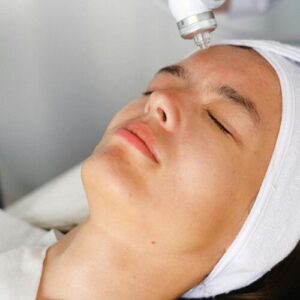
Chemical peels remove damaged outer skin layers using carefully selected acids. While the word “chemical” may sound harsh, modern peels range from very gentle exfoliation to deeper resurfacing procedures depending on your skin goals.
Superficial peels often use glycolic acid, lactic acid, or salicylic acid to brighten dull skin and reduce congestion. Medium depth peels penetrate deeper to improve acne scars, fine lines, sun spots, and uneven pigmentation. Deeper peels create more dramatic improvement but require longer recovery periods. One reason chemical peels remain popular is their ability to deliver visible glow quickly.
After treatment, sunscreen becomes essential because freshly exfoliated skin remains more sensitive to UV damage.
PRP Therapy and Natural Skin Regeneration
PRP therapy, often called the “vampire facial,” uses platelet-rich plasma derived from the patient’s own blood. Although the concept sounds futuristic, the science behind it is remarkably simple. Platelets contain growth factors that support tissue repair and healing.
During the procedure, blood is drawn and processed in a centrifuge to isolate platelet-rich plasma. The concentrated plasma is then applied or injected into the skin, often alongside microneedling. This combination stimulates natural regeneration and accelerates recovery.
PRP therapy has become especially popular for improving dullness, fine lines, under-eye darkness, and mild skin laxity. Many dermatologists prefer it because it uses the body’s own healing components instead of synthetic substances.
Results develop gradually as the skin rebuilds itself internally. Patients frequently describe their skin as fresher, plumper, and healthier looking several weeks after treatment.
Dermaplaning for Instant Skin Brightness
Dermaplaning provides one of the quickest ways to refresh tired skin. During this treatment, a trained professional gently removes dead skin cells and fine facial hair using a sterile surgical blade. Although the procedure sounds intimidating, it is painless for most people. In fact, many patients describe it as surprisingly relaxing. Once the dull surface layer disappears, skin immediately appears smoother, brighter, and more polished.
One hidden benefit of dermaplaning is improved product absorption. Skincare products penetrate more effectively because dead skin buildup no longer blocks the surface.
Unlike stronger exfoliation methods, dermaplaning usually causes little downtime. However, it works best as part of a larger comprehensive skin care treatment routine rather than a standalone solution.
Anti-Aging Treatments for Youthful Skin
Aging is a natural biological process. However, modern dermatology has transformed the way people manage wrinkles, volume loss, and skin laxity. Today’s anti-aging skincare treatments focus on prevention, collagen preservation, and subtle rejuvenation rather than artificial transformation.
Anti-aging procedures work by slowing collagen breakdown and stimulating new tissue formation.
Botox and Fillers for Wrinkle Reduction
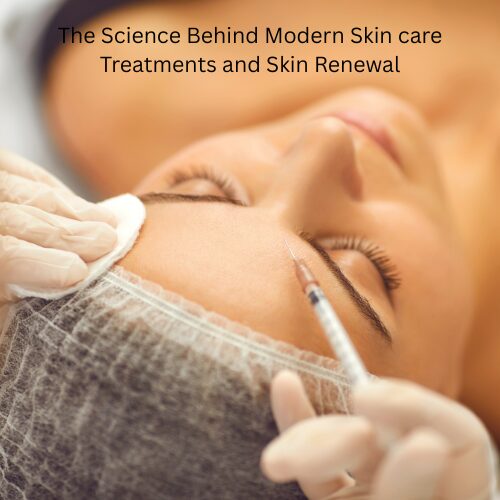
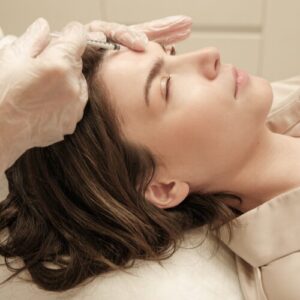
Botox remains one of the most recognized cosmetic procedures worldwide. It works by temporarily relaxing targeted facial muscles responsible for expression lines. Forehead creases, crow’s feet, and frown lines often soften significantly after treatment. Skilled injectors focus on maintaining natural movement while reducing harsh lines. Results usually last three to four months before gradual muscle activity returns.
Dermal fillers work differently from Botox. Instead of relaxing muscles, fillers restore lost volume beneath the skin. Hyaluronic acid fillers are especially popular because they attract moisture and create a smoother appearance naturally. As we age, facial fat pads shrink and shift downward. This process creates hollow cheeks, deeper folds, and sagging contours. Fillers restore structure in areas like cheeks, lips, jawline, and under-eye hollows.
When combined carefully, Botox and fillers create balanced rejuvenation without surgery. Many patients appreciate these anti-aging skincare therapies because they deliver noticeable improvement with minimal downtime.
Retinoids and Collagen-Boosting Skincare Treatments
Retinoids remain one of the most scientifically validated anti-aging ingredients available today. Derived from vitamin A, they accelerate cellular turnover and stimulate collagen production over time.
Initially, retinoids may cause mild dryness or peeling because skin adjusts gradually. However, consistent use often improves fine lines, rough texture, enlarged pores, and uneven tone dramatically.
Dermatologists frequently describe retinoids as the “gold standard” in anti-aging skincare because they target multiple concerns simultaneously. Unlike temporary cosmetic fixes, retinoids actively change skin behavior at the cellular level.
Other collagen boosting treatments include peptides, growth factors, and antioxidant serums. These ingredients protect skin from environmental stress while supporting long term firmness and elasticity.
LED and Light Therapy for Anti-Aging Support
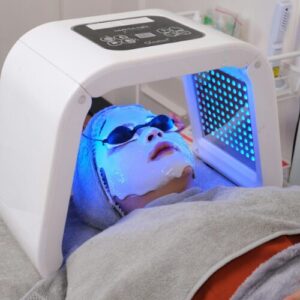
Light based treatments have become increasingly popular in both clinics and home skincare devices. Different wavelengths target specific concerns. Blue light helps acne while red light supports healing and collagen production.
Many patients seek red light therapy benefits because the treatment is painless and requires no recovery
time. Red LED wavelengths penetrate deeper layers where they stimulate cellular energy production and reduce inflammation.
Over time, anti-aging light therapy may improve skin tone, texture, and elasticity gradually. Dermatologists often combine LED sessions with facials, microneedling, or laser procedures for enhanced recovery and rejuvenation.
Although LED therapy delivers subtle results compared to surgery, many people prefer its gentle and cumulative approach to long term skin wellness.
Advanced Dermatological Procedures for Skin Rejuvenation
Advanced dermatological procedures are designed for people who wa
nt deeper and longer lasting results than ordinary skincare products can provide. These procedures work beneath the skin’s surface where collagen, elastin, and connective tissues exist. By targeting these deeper layers, dermatologists can repair structural damage instead of simply masking it. Dermatologists can now adjust treatment intensity depending on skin tone, age, sensitivity, and cosmetic goals. As a result, patients receive more personalized and natural looking outcomes.
Laser Treatments for Pigmentation and Acne Scars
Laser resurfacing is one of the most effective skin care treatments for improving skin texture, wrinkles, acne scars, and pigmentation. The procedure uses concentrated light energy to remove damaged skin layers while stimulating collagen production underneath. This process helps create smoother, firmer, and more even toned skin over time.
Different laser types target different concerns. Ablative lasers work deeply to treat severe wrinkles and scars, while non-ablative lasers improve collagen with less downtime. Many patients choose laser therapy because it effectively reduces acne scars, sun spots, melasma, and uneven skin tone. Another major advantage involves skin tightening. Many lasers create controlled thermal injury beneath the surface which encourages collagen renewal. Over time, skin becomes firmer, smoother, and more youthful looking.
Recovery varies depending on treatment intensity. Mild procedures may cause temporary redness, while deeper resurfacing treatments require longer healing periods. Proper aftercare and daily sunscreen use remain essential because treated skin becomes more sensitive to UV damage after laser procedures.
Ultherapy for Non-Surgical Skin Tightening
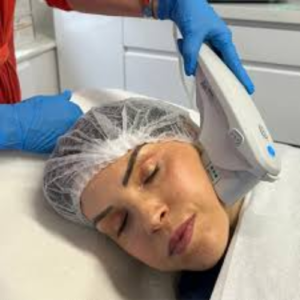
Ultherapy is a popular non-surgical anti-aging skincare therapy that tightens loose skin using focused ultrasound energy. Unlike lasers that work mainly on the surface, Ultherapy targets deeper skin layers to stimulate collagen and elastin production naturally. This process helps lift and firm sagging areas without surgery or injections.
Many people prefer Ultherapy because results appear gradually and look natural. The treatment commonly improves the jawline, neck, cheeks, and brow area where skin often loses firmness first. Ultrasound imaging also helps providers deliver energy precisely where tightening is needed most.
One major advantage of Ultherapy is minimal downtime. Patients may experience slight redness or tenderness temporarily, yet most return to normal activities quickly. Dermatologists often combine this skin tightening procedure with Botox, fillers, or LED light therapy for skin for enhanced rejuvenation results.
Surgical Facelifts and Long-Term Rejuvenation
Facelifts are among the most effective for advanced facial aging. Unlike non-invasive procedures, they address deep sagging, loose neck skin, and volume loss more dramatically. Modern facelift techniques reposition deeper facial tissues instead of simply tightening the skin which creates more natural looking results.
Many patients in their forties and fifties now choose facelifts earlier to maintain youthful facial contours. Patients frequently report improved jawline definition, reduced jowls, smoother neck contours, and firmer cheeks after recovery. Recovery requires patience because swelling and bruising take time to resolve fully. Results can last for years, especially when combined with healthy skincare habits.
Modern facelifts are often combined with complementary skin rejuvenation treatments such as laser resurfacing, fat grafting, or eyelid surgery for more balanced outcomes. This combined approach addresses both structural sagging and surface level skin quality simultaneously. Choosing an experienced board-certified surgeon remains essential for safe procedures and balanced, natural outcomes.
How to Choose the Best Skin Treatment for Your Skin Concerns
Choosing the right treatment depends on your skin condition, goals, and recovery preferences.
- Best Skin care Treatments for Acne-Prone Skin
Salicylic acid peels, microneedling, and oil balancing products often help acne-prone skin significantly. Consistency remains essential for visible progress.
- Treatments for Aging and Fine Lines
Wrinkles often respond well to Botox, retinoids, fillers, and anti-aging light therapy procedures.
- Sensitive Skin and Hyperpigmentation Solutions
Sensitive skin benefits from gentle ingredients and barrier repair products. Hyperpigmentation usually improves with brightening agents and laser support.
Common Side Effects and Recovery Time
Most treatments cause mild redness or swelling temporarily. Recovery depends on procedure intensity. Non-invasive methods usually heal quickly.
How Long Skin Treatment Results Usually Last
Results vary based on age, skin condition, and maintenance habits. Consistent skincare and healthy lifestyle choices help prolong outcomes significantly.
Final Thoughts on Skin care Treatments
Beautiful skin does not come from luck alone. It grows through informed decisions, daily consistency, and smart professional guidance. The best comprehensive skin care treatment combines prevention, repair, and healthy habits into one balanced strategy.
When you understand your skin and choose targeted skin care treatments, you build more than surface beauty. You create long term confidence, resilience, and healthier skin for years ahead.
F.A.Q’s
Which Treatment Is Best for Skin Treatment?
The best skincare treatment depends on your skin type and concerns. Chemical peels and microneedling work well for acne scars and uneven texture, while laser resurfacing improves pigmentation and wrinkles. For aging skin, Botox, fillers, and collagen boosting treatments often provide excellent results. A dermatologist can recommend the most suitable option based on your skin goals.
Which Skin care Treatment Is Best?
There is no single treatment that works perfectly for everyone. People with dry skin may benefit from hydrating facials and hyaluronic acid therapies, while oily or acne-prone skin often responds better to exfoliating treatments. Many experts recommend combining professional skin rejuvenation treatments with a daily skincare routine for long lasting improvement.
What Are Treatments in Skincare?
Skin care treatments are procedures or products designed to improve skin health and appearance. They help address concerns such as acne, wrinkles, dullness, sun damage, and pigmentation. Common treatments include facials, chemical peels, laser therapy, microneedling, and LED light therapy for skin.
Can Skincare Affect the Liver?
Most skincare products do not affect the liver when used correctly. However, certain oral acne medications or excessive use of strong ingredients may place stress on the liver in rare cases. It is always important to follow medical advice and avoid overusing active ingredients without professional guidance.
What Is 7 Skin Care?
The 7 skin care method is a Korean skincare technique that involves applying lightweight toner or essence up to seven times for deep hydration. Instead of using one heavy cream, this method layers moisture gradually which helps the skin appear plumper, smoother, and more radiant.

Welcome to Glow Secrets Hub! I’m Meena, the creative mind behind a growing online platform dedicated to skincare, beauty tips, and natural wellness. With a keen interest in beauty and wellness, I continues to inspire readers to embrace their natural glow and adopt healthy skincare habits in their daily lives.
Also, an AI-Powered SEO and content writer. I help website rank higher, grow traffic and look amazing. My goal is tomake SEO and web design simple and effective for anyone. Lets acheive more together!