Healthy, beautiful hair doesn’t happen by chance. It grows from a consistent routine that matches your hair type, scalp condition, and lifestyle. If you have been searching for a natural hair growth remedy, rosemary oil for hair growth has probably caught your attention. In recent years, this herbal ingredient has become one of the most talked-about solutions for stronger, fuller-looking hair. Many people choose it because it supports scalp health without relying on harsh chemicals.
This guide explains how to establish the right hair care routine for you while making rosemary oil for hair part of your weekly schedule. You will also learn what science says, how to apply it safely, and how to get the best results over time.
Why a Personalized Hair Care Routine Matters
Every person’s hair is different. Your routine should depend on your scalp, hair texture, styling habits, and environment. Someone with dry curls needs different care than someone with fine, oily hair. Choosing products without understanding your hair often leads to disappointment.
A balanced hair care routine begins with gentle cleansing, proper conditioning, scalp care, and protection from heat damage. Adding rosemary oil for scalp treatments can support hair wellness because healthy hair starts below the surface. A healthy scalp creates the ideal environment for stronger strands and long-term growth.
Hair Type Best Routine
| Hair Type | Best Routine |
|---|---|
| Oily Hair | Lightweight shampoo and weekly scalp treatment |
| Dry Hair | Moisturizing shampoo with nourishing oils |
| Curly Hair | Deep conditioning and minimal heat styling |
| Fine Hair | Lightweight products that won’t weigh hair down |
| Color-Treated Hair | Sulfate-free products with extra hydration |
What Is Rosemary Oil?
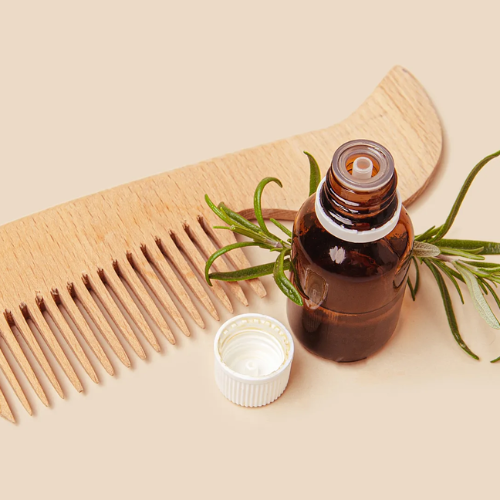
Rosemary essential oil comes from the leaves of the rosemary plant through steam distillation. This fragrant oil contains natural compounds that have been valued in traditional wellness practices for centuries. Today, it is widely used in botanical hair care because of its ability to support scalp health.
Many people confuse pure rosemary essential oil with infused rosemary oil. Essential oil is highly concentrated and should always be diluted before use. Infused oils contain rosemary leaves soaked in another oil and are much milder. Choosing the best rosemary oil for hair means looking for high-quality, organic products without artificial fragrances.

How Rosemary Oil Helps Hair Growth
One reason rosemary oil for hair growth has gained popularity is its ability to stimulate hair follicles naturally. Research suggests it may improve blood circulation to the scalp, allowing hair roots to receive more oxygen and nutrients. Healthy follicles often produce stronger strands over time.
Regular application may also reduce excessive hair shedding, strengthen hair roots, and encourage thicker hair. Think of your scalp like fertile soil. When the soil receives enough nutrients and care, plants grow better. Hair follicles respond in a similar way when the scalp stays healthy.
Fact: Hair grows about half an inch each month on average.
Consistent scalp care supports this natural cycle.
What Research Says About Rosemary Oil
Several clinical studies on rosemary oil have explored its role in hair growth. One well-known study compared rosemary oil vs minoxidil, a common treatment for hair loss. After six months, participants using rosemary oil experienced similar improvements in hair thickness while reporting less scalp irritation.
Scientists believe the oil works because it is an antioxidant-rich herb with anti-inflammatory properties. It is also rich in carnosic acid, a plant compound believed to help protect hair follicles from damage. Although more research is still needed, current findings are encouraging.
How to Use Rosemary Oil for Hair Growth
Proper application makes all the difference. Never apply essential oil directly to your scalp. Always dilute rosemary oil before use. A common method is to mix with carrier oil such as jojoba, coconut, or sweet almond oil.
A rosemary oil scalp massage once or twice each week can become an effective hair growth routine. Massage gently for five minutes before washing your hair. You may also add a few diluted drops to your shampoo. Some people enjoy an overnight hair oil treatment, although those with oily hair may prefer washing after thirty to sixty minutes.
| Carrier Oil | Best For |
|---|---|
| Jojoba Oil | Oily scalp |
| Coconut Oil | Dry hair |
| Argan Oil | Damaged hair |
| Castor Oil | Thick hair |
| Sweet Almond Oil | Sensitive scalp |
Rosemary Water for Hair
Besides oil, rosemary water for hair has become another favorite option. It is lighter than oil and works well as a daily scalp mist. Many people enjoy using homemade rosemary water because it is inexpensive and easy to prepare.
Simply boil fresh rosemary leaves for about fifteen minutes, allow the water to cool, strain it, and store it in a spray bottle. A rosemary hair rinse after shampooing can refresh the scalp while supporting natural scalp care. Although rosemary water may not be as concentrated as essential oil, it fits easily into everyday routines.
Health Benefits Beyond Hair
Rosemary offers more than cosmetic benefits. It may supports healthy scalp, helps reduce scalp irritation, and balances scalp oil production. These qualities create a cleaner environment where healthy hair can grow.
Its natural compounds also nourish the scalp naturally, support scalp nourishment, and may contribute to hair density improvement over time. Many users notice shinier hair because the scalp remains healthier and less irritated.
Promotes Healthy Hair Growth
One of the biggest benefits of rosemary oil for hair growth is that it stimulates hair follicles and promotes healthy hair growth. Regular use may help improve hair thickness and encourage stronger, healthier strands over time.
Reduces Hair Loss and Thinning
Rosemary oil for hair loss may help reduces excessive hair shedding and support hair density improvement. It is also considered a natural remedy for hair loss for people experiencing mild to moderate hair thinning.
Improves Scalp Circulation
One of the key reasons rosemary oil is effective is that it improves blood circulation to the scalp and improves scalp circulation. Better blood flow delivers oxygen and nutrients to the hair roots, creating a healthier environment for hair growth.
Strengthens Hair Roots
Regular application helps strengthens hair roots, supports stronger hair follicles, and encourages stronger strands. This makes hair more resilient and less likely to break during brushing or styling.
Prevents Hair Breakage
As a natural hair strengthening oil, rosemary oil prevents hair breakage, supports healthy hair maintenance, and helps reduce split ends. Stronger strands lead to longer and healthier-looking hair.
Supports a Healthy Scalp
Healthy hair begins with a healthy scalp. Rosemary oil supports healthy scalp, nourishes the scalp naturally, and acts as an essential oil for scalp health by keeping the scalp clean and balanced.
Helps Control Dandruff
Thanks to its anti-inflammatory properties, rosemary oil helps reduce dandruff, relieves itchiness, and works as a natural dry scalp remedy. It also supports long-term natural scalp care.
Balances Scalp Oil Production
Rosemary oil naturally balances scalp oil production, making it suitable for both oily and dry scalps. This balance helps keep the scalp fresh without stripping away essential moisture.
Rich in Powerful Antioxidants
As an antioxidant-rich herb that is rich in carnosic acid, rosemary helps protect hair follicles from oxidative stress. These natural compounds also supports follicle function, which may contribute to healthier hair growth.
Safe and Suitable for Most Hair Types
When properly diluted, rosemary oil is a safe natural hair treatment and is suitable for all hair types. It can be used with a carrier oil for rosemary oil as part of a regular hair growth routine to improve overall hair wellness naturally.

Who Can Use Rosemary Oil?
Most healthy adults can safely use rosemary oil for hair when diluted correctly. It is generally considered suitable for all hair types, including straight, wavy, curly, and coily textures. Men and women experiencing mild thinning often include it in their weekly routine.
However, anyone with allergies or sensitive skin should perform a patch test before application. If redness or itching appears, discontinue use. Pregnant women or people with medical conditions should speak with a healthcare professional before using essential oils.
Rosemary Oil Compared With Other Hair Oils
Many oils promise healthier hair, yet each one serves a different purpose. Coconut oil and rosemary oil work well together because coconut oil reduces protein loss while rosemary focuses on scalp health. Castor oil and rosemary oil are another popular combination for people seeking fuller-looking hair.
Peppermint oil creates a cooling sensation, whereas rosemary feels gentler for long-term use. Unlike heavier oils, rosemary primarily supports the scalp instead of coating the hair shaft. That makes it a valuable hair growth oil for many routines.
| Oil | Main Benefit |
|---|---|
| Rosemary Oil | Hair growth support |
| Coconut Oil | Moisture retention |
| Castor Oil | Thick appearance |
| Argan Oil | Shine and softness |
| Peppermint Oil | Cooling scalp sensation |
Side Effects and Safety Tips
Although rosemary oil is natural, safe use still matters. Undiluted oil may cause burning, redness, or itching. Always use a carrier oil for rosemary oil before applying it directly to your scalp.
Avoid getting the oil into your eyes. Wash your hands after application. If irritation develops, stop using the product immediately. Following these simple precautions allows you to enjoy a safe natural hair treatment with fewer risks.
How Long Does It Take to See Results?
Hair growth requires patience. Most people should not expect overnight success. Healthy hair grows slowly, so visible hair growth results usually appear after three to six months of regular use.
Consistency matters more than quantity. Applying too much oil will not speed up growth. A regular weekly scalp massage, combined with good nutrition and proper hair care, often produces better long-term results.
Building the Best Hair Routine
The healthiest routine combines gentle cleansing, regular conditioning, balanced nutrition, and scalp care. Avoid excessive heat styling because it weakens hair fibers over time. Trim split ends regularly to support split end prevention and healthier-looking hair.
Choose products that promote healthy hair maintenance rather than quick fixes. When combined with herbal hair treatment methods like rosemary oil, these habits create stronger, healthier hair that lasts.
Final Thoughts
Learning How to Establish the Right Hair Care Routine for You takes time, yet the effort pays off. Healthy hair depends on consistent habits instead of miracle products. Adding rosemary oil for hair growth to your routine may encourage new hair growth, improves hair density, prevents hair breakage, and encourages stronger strands when used correctly.
The journey toward healthier hair isn’t a sprint. It’s more like tending a garden with patience, care, and consistency. Combine organic rosemary oil, a balanced diet, gentle styling, and regular scalp care to create lasting results. While no single product works for everyone, rosemary remains one of today’s most promising essential oils for hair growth and a trusted natural alternative to hair growth treatments for people seeking healthier, fuller hair naturally.
Can rosemary oil regrow hair?
Rosemary oil may help regrow hair by stimulating hair follicles and improving blood circulation to the scalp. While results vary, consistent use for several months may support healthier, thicker hair growth.
What is rosemary oil used for?
Rosemary oil is commonly used to promote hair growth, reduce hair loss, improve scalp health, and strengthen hair roots. It is also used in aromatherapy, skincare, and massage because of its soothing and antioxidant properties.
Can I use rosemary oil on hair daily?
Yes, you can use rosemary oil daily if it is properly diluted with a carrier oil. However, most experts recommend applying it two to three times a week to avoid scalp irritation while still achieving effective results.
What is the best oil to regrow hair?
Rosemary oil is one of the best natural oils for hair regrowth due to its ability to improve scalp circulation. Other effective options include castor oil, peppermint oil, coconut oil, and pumpkin seed oil.
How to apply rosemary oil to hair?
Mix a few drops of rosemary essential oil with a carrier oil such as coconut or jojoba oil. Gently massage it into your scalp, leave it on for 30 minutes to overnight, then wash your hair with a mild shampoo.

Welcome to Glow Secrets Hub! I’m Meena, the creative mind behind a growing online platform dedicated to skincare, beauty tips, and natural wellness. With a keen interest in beauty and wellness, I continues to inspire readers to embrace their natural glow and adopt healthy skincare habits in their daily lives.
Also, an AI-Powered SEO and content writer. I help website rank higher, grow traffic and look amazing. My goal is tomake SEO and web design simple and effective for anyone. Lets acheive more together!