Hair loss affects millions of people across the USA. Many are now choosing natural solutions instead of harsh treatments. One remedy attracting attention is pumpkin seed oil for hair. Rich in nutrients, this plant-based oil may help nourish the scalp, strengthen roots, and support healthier hair over time.
If you’re wondering is pumpkin seed oil good for hair, the answer depends on how you use it and your hair goals. This guide explains the science, benefits, and practical uses of pumpkin seed oil for hair growth. You’ll also discover who can benefit most and what current research really says.
Introduction
Healthy hair begins with a healthy scalp. That’s why many people now include pumpkin seed oil for scalp health in their daily routine. This nutrient-rich oil supplies essential nutrients for hair while supporting a balanced scalp environment that encourages stronger strands.
Unlike many synthetic products, natural hair growth oil options work gradually. Regular use of cold-pressed pumpkin seed oil may improve moisture levels, reduce breakage, and become an effective part of your natural hair care routine when paired with healthy habits.
What is Pumpkin Seed Oil?
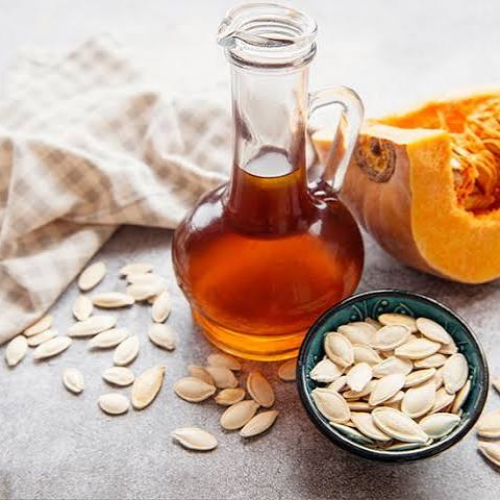
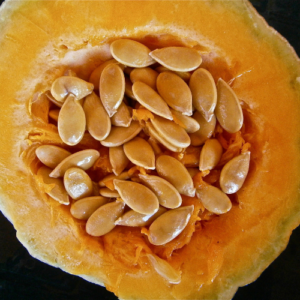
Pumpkin seed oil comes from roasted or raw pumpkin seeds. High-quality cold-pressed pumpkin seed oil keeps more vitamins and antioxidants because it isn’t exposed to excessive heat. It contains healthy fats, minerals, and plant compounds that may support healthy hair.
This botanical hair oil provides vitamin E for hair, zinc for hair growth, and omega fatty acids for hair. These nutrients help improve hair follicle nourishment, making the scalp healthier while supporting healthy hair growth naturally.
Historic Use
People have valued pumpkin seeds for centuries. Traditional medicine used them for nutrition and overall wellness long before scientists began studying pumpkin seed extract for hair and scalp health.
Ancient cultures also believed pumpkin seeds promoted vitality because they contain minerals and healthy oils. Today, researchers continue exploring whether these nutrients can improve stronger hair follicles and support long-term hair health.
Modern-Day Use
Today, you’ll find pumpkin seed oil in shampoos, conditioners, serums, and supplements. Many people use it as a hair strengthening oil because it fits easily into everyday hair care.
Modern consumers also enjoy pumpkin seed oil hair treatment products that combine pumpkin oil with rosemary or peppermint oil. Together, these ingredients may create a moisturizing scalp treatment that supports stronger and shinier hair.
How does pumpkin-seed oil work?
Scientists believe pumpkin seed oil and DHT may be connected. DHT is a hormone linked to pattern hair loss. Some studies suggest pumpkin seed oil may help reduce DHT activity, although more research is still needed.
The oil also acts as an antioxidant-rich hair oil with natural anti-inflammatory properties. This may improve scalp circulation, support scalp nourishment, and create a healthy scalp environment where hair can grow more effectively.
Compounds That Support Hair
Pumpkin seed oil contains phytosterols, tocopherols, and unsaturated fatty acids. These compounds may strengthen weak hair roots, help restore damaged hair, and provide nutrients that support healthier hair from root to tip.
Is Pumpkin Seed Oil Good for Hair Growth?
Many people ask, does pumpkin seed oil help hair growth? Current evidence suggests it may benefit certain types of hair loss when used consistently. However, results vary because genetics, hormones, and overall health also influence hair growth.
Several scientific studies on pumpkin seed oil have shown encouraging findings. Researchers continue conducting pumpkin seed oil hair growth research to understand exactly how this oil supports support natural hair regrowth over the long term.
Can pumpkin seed oil help prevent hair loss and encourage growth?
Evidence suggests pumpkin seed oil for hair loss may reduce excessive shedding in some individuals. It may also support pumpkin seed oil for thinning hair by nourishing the scalp and improving follicle health.
If you’re asking can pumpkin seed oil regrow hair, the answer isn’t guaranteed. However, combining it with a balanced diet, proper scalp care, and other hair growth remedies may help promote thicker hair naturally over time.
Benefits of Pumpkin Seed Oil for Hair and Scalp
May Reduce Hair Thinning
One of the biggest pumpkin seed oil benefits for hair is its potential to reduce hair thinning. The oil contains phytosterols for hair health, which may help limit the effects of DHT, a hormone linked to pattern hair loss. Regular use of pumpkin seed oil for thinning hair may strengthen follicles and reduce daily hair shedding. While it won’t reverse every type of hair loss, it can support fuller-looking hair when used consistently.
Supports Healthier Hair Growth
If you’re wondering does pumpkin seed oil help hair growth, research suggests it may support the natural hair growth cycle. Rich in vitamin E for hair, zinc for hair growth, and omega fatty acids for hair, it nourishes the scalp and roots. These nutrients improve hair follicle nourishment, helping new hair grow stronger, healthier, and more resistant to damage.
Nourishes the Scalp
Healthy hair starts with a healthy scalp. Pumpkin seed oil for scalp health works as a natural moisturizer that helps reduce dryness, irritation, and flaking. Its anti-inflammatory compounds promote scalp nourishment and maintain a healthy scalp environment, creating ideal conditions for long-term hair growth. A weekly pumpkin seed oil scalp massage may also improve blood circulation to the follicles.
Helps Strengthen Hair Strands
Weak hair is more likely to break before it reaches its full length. Using pumpkin seed oil hair treatment regularly helps coat the hair shaft with essential fatty acids, reducing moisture loss and improving flexibility. As a natural hair strengthening oil, it supports stronger hair follicles, minimizes split ends, and encourages hair breakage prevention.
Adds Shine and Moisture
Dry, dull hair often lacks natural oils. Cold-pressed pumpkin seed oil acts as a deeply nourishing hair oil that restores softness without leaving heavy buildup. It works as a gentle moisturizing scalp treatment, smoothing rough hair cuticles and giving your hair a healthier shine. Over time, it may also help you achieve thicker-looking hair with better texture.
Rich in Essential Nutrients
Pumpkin seed oil is packed with essential nutrients for hair, including antioxidants, healthy fats, and minerals that support overall hair health. It delivers pumpkin seed extract for hair, vitamin E, zinc, magnesium, and plant sterols that help strengthen weak hair roots and support natural hair regrowth. Adding this botanical hair oil to your routine is a simple way to nourish your hair naturally.
How to Use Pumpkin Seed Oil for Hair Growth
Using pumpkin seed oil for hair growth correctly can improve your results. You can apply it directly to your scalp, mix it into a hair mask, or take supplements if recommended by a healthcare professional. Consistency is important because natural oils usually take several weeks or months to show visible improvements.
Whether you choose topical pumpkin seed oil or oral pumpkin seed oil supplements, combine the treatment with a healthy diet and gentle hair care. This routine supports healthy hair growth, nourishes the scalp, and helps reduce hair breakage over time.
Topical Application
The easiest way to use pumpkin seed oil for hair is by applying a few drops directly to your scalp. Warm the oil slightly between your palms and spread it evenly across thinning areas. Leave it on for 30 to 60 minutes before washing your hair with a mild shampoo. This simple pumpkin seed oil hair treatment helps moisturize the scalp and deliver nutrients directly to the hair follicles.
Scalp Massage Technique
A gentle pumpkin seed oil scalp massage can improve blood flow to your scalp. Massage the oil using your fingertips in small circular motions for about five minutes. This technique may improve scalp circulation, support scalp nourishment, and create a healthy scalp environment where stronger hair can grow.
Hair Mask Recipe
You can make a simple DIY pumpkin seed oil hair mask at home by mixing two tablespoons of cold-pressed pumpkin seed oil, one tablespoon of coconut oil, and one tablespoon of honey. Apply the mixture from roots to ends and leave it on for 30 minutes before rinsing. This deep-conditioning treatment works as a moisturizing scalp treatment while helping restore damaged hair and improve softness.
Oral Supplements
Some people prefer oral pumpkin seed oil supplements to nourish their hair from within. These supplements provide essential nutrients for hair, including healthy fats, vitamin E, and zinc. Always follow the dosage instructions on the label and speak with your healthcare provider before starting any supplement, especially if you take medications or have existing health conditions.
How Often Should You Use It?
For most people, applying pumpkin seed oil for hair growth two or three times a week is enough. If your scalp is very dry, you may use it more often as long as it doesn’t cause irritation. With regular use and a balanced natural hair care routine, many people notice healthier, shinier, and stronger hair after two to four months.
Who Can Benefit from Pumpkin Seed Oil?
Pumpkin seed oil for hair may benefit different people depending on their hair concerns. Its rich blend of vitamins, minerals, and healthy fats helps nourish the scalp and strengthen hair follicles. While it isn’t a miracle cure, regular use may improve hair quality and support healthy hair growth when combined with a balanced lifestyle.
Whether you have thinning hair, dry strands, or early signs of hair loss, pumpkin seed oil for hair growth can become a valuable part of your routine. However, knowing who benefits most—and who should avoid it—helps you use this natural remedy safely and effectively.
Men with Pattern Hair Loss
Men experiencing male pattern baldness may benefit from pumpkin seed oil for male pattern baldness because it contains plant compounds called phytosterols. These compounds may reduce the effects of DHT, a hormone strongly linked to hereditary hair loss. Although results differ from person to person, regular use may help reduce excessive hair shedding, improve hair follicle nourishment, and support thicker, healthier hair over time.
Women with Hair Thinning
Women often experience hair thinning because of hormonal changes, stress, pregnancy, or menopause. Pumpkin seed oil for female hair loss may help nourish the scalp while supplying vitamin E for hair, zinc for hair growth, and omega fatty acids for hair. These nutrients can strengthen weak hair roots, improve hair texture, and encourage healthier, fuller-looking strands when used consistently.
People with Dry or Damaged Hair
If your hair feels dry, brittle, or damaged from heat styling or chemical treatments, pumpkin seed oil hair treatment can help restore moisture. As a nourishing hair oil, it coats the hair shaft, reduces moisture loss, and works as a gentle moisturizing scalp treatment. Regular application may help restore damaged hair, reduce split ends, and improve shine without making your hair feel heavy.
Who Should Avoid It?
Although pumpkin seed oil for hair is generally safe, it isn’t suitable for everyone. People with pumpkin or seed allergies should avoid using it because it may trigger skin irritation or allergic reactions. If you’re pregnant, breastfeeding, or taking prescription medications, consult a healthcare professional before using oral pumpkin seed oil supplements. To prevent irritation, always perform a patch test before applying topical pumpkin seed oil to your scalp.
Side Effects, Risks, and Safety Tips
Pumpkin seed oil for hair is generally safe for most people. However, some users may experience mild irritation or allergic reactions. Using pumpkin seed oil for hair growth correctly and choosing cold-pressed pumpkin seed oil can help reduce these risks.
Whether you use topical pumpkin seed oil or oral pumpkin seed oil supplements, follow the recommended directions. Stop using the product if irritation occurs and consult a healthcare professional if needed.
Possible Allergic Reactions
Some people may be allergic to pumpkin seed oil. Before applying it to your scalp, perform a patch test on a small area of skin. If you notice redness, itching, or swelling, stop using the oil immediately.
Oral Supplement Precautions
Oral pumpkin seed oil supplements should only be taken as directed. Taking too much may cause mild stomach discomfort. If you take prescription medicines, speak with your doctor before using supplements.
Patch Test Guide
Apply one or two drops of oil behind your ear or on your inner wrist. Wait 24 hours. If no irritation appears, you can safely use pumpkin seed oil hair treatment on your scalp.
Final Verdict: Is Pumpkin Seed Oil Worth Trying for Hair Growth?
If you’re looking for a natural way to support healthier hair, pumpkin seed oil for hair is worth trying. It contains vitamin E for hair, zinc for hair growth, and healthy fatty acids that nourish the scalp and strengthen hair. Although it won’t work overnight, regular use may improve hair thickness and reduce shedding.
The best results come from combining pumpkin seed oil for hair growth with a healthy diet and a consistent natural hair care routine. Whether you apply it as a topical pumpkin seed oil treatment or use quality supplements, patience and consistency are essential for long-term improvements.
Expected Results
Most people need to use pumpkin seed oil consistently for two to four months before noticing visible changes. Results vary based on age, genetics, overall health, and the cause of hair loss.
Best Way to Add It to Your Routine
Massage cold-pressed pumpkin seed oil into your scalp two or three times a week. Pair it with a balanced diet rich in essential nutrients for hair and gentle hair care products for better results.
Conclusion
Pumpkin seed oil for hair is a natural option that may help improve scalp health, reduce hair thinning, and support healthy hair growth. Its rich blend of vitamin E for hair, zinc for hair growth, and omega fatty acids for hair nourishes the scalp and strengthens hair from the roots. While it isn’t a miracle cure, regular use can improve hair texture, reduce breakage, and promote healthier-looking hair.
For the best results, use pumpkin seed oil for hair growth consistently as part of a balanced natural hair care routine. Pair it with a healthy diet, proper scalp care, and quality hair products to maximize its benefits. With patience and realistic expectations, pumpkin seed oil for hair can become a valuable addition to your journey toward stronger, fuller, and healthier hair.
F.A.Q’s
Does pumpkin seed oil really help hair growth?
Yes, pumpkin seed oil may help support hair growth, especially in people with mild to moderate pattern hair loss. It contains phytosterols, antioxidants, vitamin E, zinc, and healthy fatty acids that may nourish hair follicles, improve scalp health, and reduce the effects of DHT, a hormone linked to hair loss. While research is promising, more large-scale studies are needed to confirm its long-term effectiveness.
How long does pumpkin seed oil take to regrow hair?
Most people need to use pumpkin seed oil consistently for 2 to 4 months before noticing visible improvements. Hair growth varies depending on genetics, age, overall health, and the cause of hair loss. For the best results, use it regularly as part of a healthy hair care routine and maintain realistic expectations.
Which oil is best for hair growth and thickness?
There isn’t one oil that’s best for everyone. Rosemary oil has the strongest research for promoting hair growth, while pumpkin seed oil, castor oil, and coconut oil can help improve scalp health, reduce breakage, and support thicker-looking hair.
Which is better for hair loss, pumpkin seed oil or rosemary oil?
Rosemary oil is generally considered the better choice because more studies support its effectiveness for hair growth. Pumpkin seed oil is also promising, especially for pattern hair loss, and may work even better when used alongside rosemary oil.
What oil grows hair the fastest?
Castor oil and Rosemary oil are considered the fastest and most effective oils for accelerating hair growth. However, rosemary oil has the strongest scientific evidence for stimulating hair growth, while pumpkin seed oil may support healthier hair and reduce shedding with consistent use over several months.

Welcome to Glow Secrets Hub! I’m Meena, the creative mind behind a growing online platform dedicated to skincare, beauty tips, and natural wellness. With a keen interest in beauty and wellness, I continues to inspire readers to embrace their natural glow and adopt healthy skincare habits in their daily lives.
Also, an AI-Powered SEO and content writer. I help website rank higher, grow traffic and look amazing. My goal is tomake SEO and web design simple and effective for anyone. Lets acheive more together!